
Habilitation Services: How They Help Your Child Build Independence
Habilitation Services: How They Help Your Child Build Independence
Every parent of a child with a developmental disability shares a hope: that their child will grow more capable, more confident, and more independent over time. Habilitation is the DDD service built around exactly that goal. Rather than simply doing tasks for your child, habilitation teaches your child to do more for themselves — one step at a time.
What Is Habilitation?
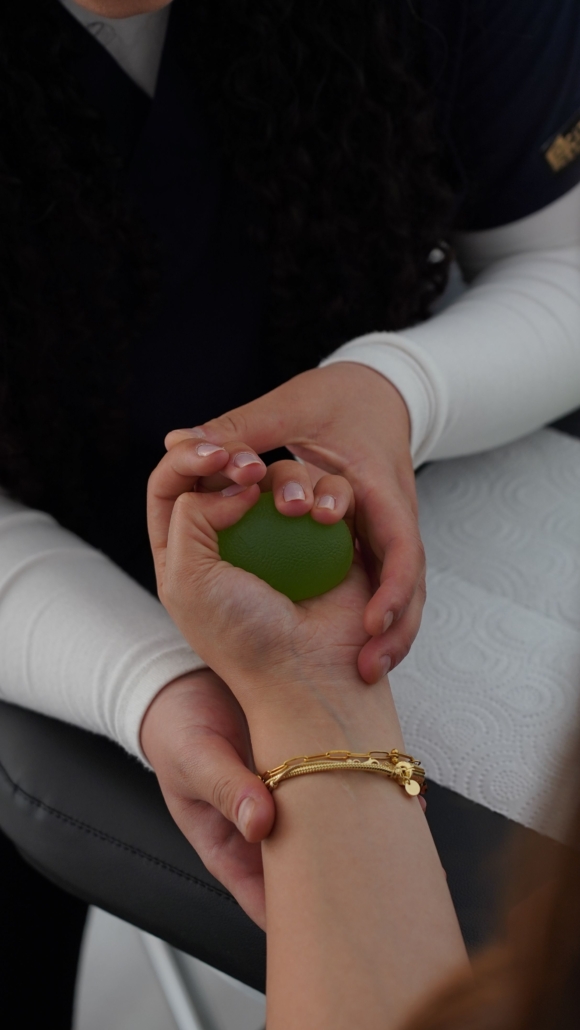
Habilitation (often abbreviated HAH for hourly habilitation) is a service that teaches self-help, socialization, and adaptive skills to help a person with a developmental disability increase their independence and participate more fully in their community. It’s about building ability, not just managing daily needs.
Habilitation uses a range of teaching methods, including:
- Self-help skills broken into small, learnable steps
- Behavioral support and intervention
- Sensory and motor skill development
- Socialization and communication skills
- Adaptive skills for daily living
The common thread is skill-building. A habilitation provider might work with your child on getting dressed independently, following a morning routine, communicating a need, managing frustration, or navigating a social situation — gradually reducing the amount of help needed as skills grow.
Habilitation vs. Attendant Care: What’s the Difference?
This is the question families ask most, and the distinction is important:
- Attendant Care is hands-on help with daily tasks — bathing, feeding, hygiene. The provider does the task with or for the person.
- Habilitation teaches the person to do the task themselves, building skills and independence over time.
Many families receive both services, and they complement each other beautifully. Attendant Care meets today’s needs; habilitation invests in tomorrow’s independence.
How Skill-Building Works in Practice
Habilitation is intentional and goal-oriented. Skills are taught in steps, so a big goal like “prepare a simple meal” gets broken down into manageable pieces — washing hands, gathering ingredients, using kitchen tools safely, following a sequence. Each small win builds toward greater confidence and capability.
The specific goals are individualized. They’re identified through your planning process and reflect what matters most for your child’s growth and daily life. Because the focus is on progress, habilitation goals evolve as your child develops.
Who Qualifies for Habilitation?
Like other DDD services, habilitation is available to individuals enrolled with DDD and approved for funding through the Arizona Long Term Care System (ALTCS). The service and the number of authorized hours are determined through your Support Coordinator’s assessment and your Person-Centered Service Plan (PCSP).
New to the process? Start with applying for DDD and understanding ALTCS.
Who Provides Habilitation?
Habilitation is delivered by trained Direct Support Professionals who work for a DDD-registered provider agency. They complete required training to support skill development safely and effectively. As with Attendant Care, families can often choose their provider — and in some cases, a parent of a minor child may be able to provide paid habilitation. See Can I Get Paid to Take Care of My Child? for the details.
Why Habilitation Matters
It’s easy to focus on immediate needs when you’re caring for a child with a disability. Habilitation asks a different, hopeful question: What could your child learn to do next? Whether it’s brushing their own teeth, greeting a neighbor, or managing a morning routine, these skills add up to a more independent, self-directed life — which is the heart of what DDD is designed to support.
Frequently Asked Questions
What does habilitation actually teach? Self-help skills, social and communication skills, adaptive daily-living skills, and behavioral or sensory/motor development — all taught in small, achievable steps and tailored to your child’s goals.
Can my child receive both habilitation and attendant care? Yes, many children do. The two services work together — one builds skills while the other meets daily care needs.
Is habilitation only for children? No. While it’s often associated with children, habilitation supports skill-building for eligible individuals across ages, based on their needs and goals.
How are habilitation hours determined? Through your Support Coordinator’s assessment and your service plan. Learn more in our guide on how many hours of care you can get through DDD.
Want to help your child grow more independent? We provide skilled, caring habilitation services to Arizona DDD families — and we’ll build a plan around your child’s goals. Contact us to learn more.
This article is for general information and isn’t legal or medical advice. Program rules change; confirm current details with your DDD Support Coordinator or at des.az.gov.










Leave a Reply
Want to join the discussion?Feel free to contribute!